In its first structure, the planet had only one continent surrounded by waters. This land had all the necessary flora and fauna to sustain the human being, not without working, though; they even had to make a huge effort. As people were evolved, it is obvious that the planet developed homogeneously and progressively.
In the age-stopping procedures, an important element is that which the physician decides to use in the activity area of the EDTA molecule in order to extract every heavy metal in excess or other metals that are not found in the natural composition of the human body (but are nevertheless present).
The human body’s health starts from the areas of the stomach, of the small and of the large intestines. Their cleanliness is essential for the balance of the body.
Stress is one of the main factors that trigger and feed the functional disorders of the human system and the ageing processes. It is a proven fact that factors of extreme stress cause untimely death. For his own health and comfort, each man must make effort to avoid stress and to discover the joy of living.
Each human being must understand and realize that health is the harmony between contraries. The person must also know that he cannot dissociate his disease from his spiritual and emotional state. Those who treat the somatic condition alone are definitely wrong. Where the person is psychosomatically balanced, no disease will occur, because there is no breach in his defense.
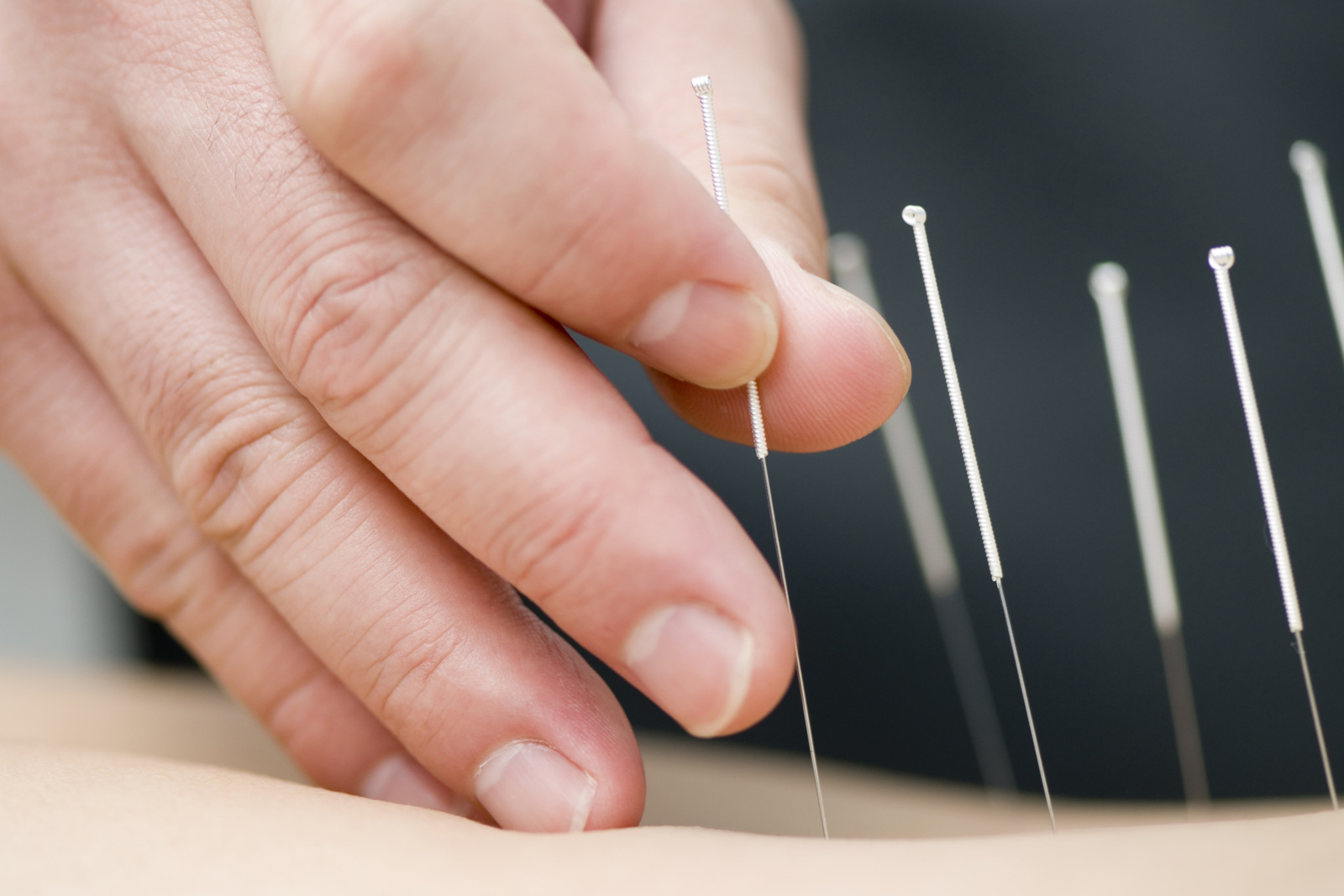
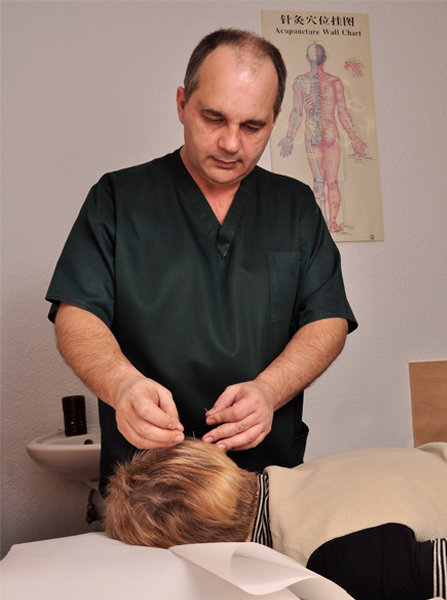
The fundamental idea of the traditional medicine practiced by these two civilizations is that bioenergy, the energy of life, runs through the meridians. Along the meridians there are also biocenters. The inner energy fuses with the external one (at the level of the charkas), and the human body is completely balanced.
Chronic pancreatitis is a permanent inflammatory process of the pancreatic tissue, which injures the structure of the pancreas and disturbs its functions. In time, as the disease develops, occur the endocrine and the exocrine insufficiency of the pancreas. As morphological alterations, the following may occur: local or diffuse fibrosis of the pancreatic tissue, parenchymatous calcifications and pancreatic cysts. The pancreas becomes atrophied and fibrous, with dilated ducts.
The pancreas is a gland situated behind the stomach, close to the duodenum (the first segment of the small intestine). It produces a number of enzymes that, together with the bile, are used in the digestive process (exocrine function). The endocrine function of the pancreas refers to the secretion of some hormones controlling the intestinal function and to the secretion of insulin and glucagon (hormones regulating the blood sugar level in the body).
Manifestations
The manifestations of pain may disappear when the inflammatory process destroys the pancreatic cells. But the disappearance of pains does not mean that the disease has been cured. When the cells with exocrine function have been destroyed, the pancreas does not produce any more the enzymes used in proteins, carbohydrates and fats digestion. Consequently, they are neither decomposed nor absorbed any more, giving birth to the malabsorption syndrome. The fats are eliminated in the feces, which become oily, bulky, light-colored and heavy smelling. Because of the malabsorption syndrome, the patient will lose weight. Moreover, when the endocrine function is also annulled, the manifestations specific to diabetes occur as well.
The inflammation of the pancreas is accompanied by epigastric pain and abdominal distension (abdomen swelling out). The pains vary in intensity and duration (from several hours to several days). They become aggravated if the patient eats heavy foods, rich in fats and he drinks alcohol. The pains often radiate towards the posterior area and they decrease in intensity if the patient is seated or he leans forward. The digestive misbalance causes nausea and vomiting. The lack of pancreatic enzymes is manifested by steatorrhea (elimination of the undigested fats in the feces) and by creatorrhea (elimination of the undigested muscle fibers in the feces).
The patient is exhausted. He loses weight constantly. There may also be B12, A, D, E and K vitamin deficiencies. In advanced stages, there was also jaundice recorded. Upon the loss of the endocrine function and the raise in the blood sugar levels, there are also symptoms of diabetes. Pancreatic insufficiency occurs if over 90% of the pancreatic tissue is destroyed.
Causes
One of the most frequent causes of chronic pancreatitis is alcholol abuse in association with a diet rich in fats. The pancreatic tissue may also be injured and inflamed by heavy blows. Chronic pancreatitis is also caused by the following: hypercalcemia (abnormally high level of calcium in the body), hyperuricemia (an excess of uric acid in the blood), hyperlipidemia (elevated concentrations of any or all of the lipids), hyperparathyroidism, diseases of the digestive system (gastro-duodenal ulcer, gastritis), and hepato-biliary diseases (biliary dyskinesia, chronic cholecystitis, cholelithiasis). If the pancreas inflammation is caused by the obstruction of the pancreatic duct from pathological causes, the disease is called obstructive chronic pancreatitis.
Treatment
The pancreas is a vital organ. As it is also very sensitive, any disorder of its functions will generate dysfunctions to other organs. Three major energy centers coordinating the pancreatic activity are situated in the pancreatic tissue. The obstruction of one of these is manifested as a disease of the pancreatic tissue. It is the reason why the pancreas should be spared and protected by an adequate diet and life style.
More neuro-vascular centers whose malfunction affects the function and the structure of the pancreas are situated along the backbone, in the thoracic, cervical and lumbar areas. The activity of these centers is affected by bad backbone posture, by local traumas or by vertebrae dislodgement in a specific area. In order to recover their natural rate of function, these neuro-vascular centers must be reactivated. If there are dislodgements of vertebrae, they are brought back to their normal position.
Where the chronic pancreatitis is caused by diseases of other organs, then the affection generating the inflammation of the pancreatic tissue is treated first of all. During the treatment, the diet is modified in order to allow the pancreas to regenerate. If the pancreatitis was caused by alcohol abuse, the alcohol consumption is completely eliminated. Resting hoursare very important for the patient's recovery. Thus are recommended three to four rest hours during the day as well as compliance with the sleep hours during the night.
Chronic Pancreatitis treatments, treatments for Chronic Pancreatitis, Chronic Pancreatitis cure, Chronic Pancreatitis signs, Chronic Pancreatitis symptoms, Chronic Pancreatitis causes, causes of Chronic Pancreatitis, signs of Chronic Pancreatitis, Chronic Pancreatitis natural treatments, Chronic Pancreatitis remedies, Chronic Pancreatitis therapies, therapies for Chronic Pancreatitis, cure for Chronic Pancreatitis, treatment for Chronic Pancreatitis, Chronic Pancreatitis information