Articles


AGEING STOPPING PROCESS
Alzheimer
Anemia
Ankylosing Spondylitis
Arterial Hypertension
Attention Deficit Hyperactivity Disorder (ADHD)
Biliary Dyskinesia
Breast Tumors Treatments
Bronchial Asthma
Bronchitis
Burnout Syndrome / Overworking Treatment
Cardiomyopathy
Cardiovascular Diseases
Cerebellar Syndrome
Cerebral Atrophy
Cerebrovascular Accident  (Stroke) 
Cervical Cancer
Cervical Spondilosis 
Chronic Pancreatitis
Cystitis
Depression
Diabetes
Endometrial Cancer
Endometriosis
Face Lifting by Acupuncture and Apiphytotherapy
Feng Shui, Acupuncture and Health
Flu Prevention by Fire, Acupuncture and Herbs
Glomerulonephritis
Headaches (Migraines)
Healing Cancer by Traditional Medicine Therapies
Helatio Therapy
Hepatic Cirrhosis
Hepatitis
Hyperthyroidism
Infertility 
Insomnia 
Leukemia
Lumbar Discopathy
Medullary Lesions 
Meniere Disease
Multiple Sclerosis
Neuralgia
Neuropathy
Neurosis
Obesity
Osteoporosis
Otitis
Panic Attacks
Pituitary Adenoma
Polycystic ovarian syndrome
Pregnancy and acupuncture benefits
Prostate Adenoma
Psoriazis
Pulmonary Cancer
Restoring Metabolic Balance 
Rheumatoid Arthrtitis
Scleroderma
Scoliosis
Skin Rejuvenation, Tissue Invigoration and Complete Removal of Wrinkles
Stem Cells Tissues And Organic Regeneration In traditional Medicine
Stimulating Children Immunity
Stress Relief
Thrombophlebitis
Traditional Medicine Between Art and Science
Thyroid Cancer 
Uterine Fibroma
Verrucas
Vitiligo
Why do Chronic Affections Appear? 
acupunctura romana acupunctura engleza


Depression

  • Restoring the mental and emotional balance
  • Treating diseases caused by depression or diseases that triggered depression
  • Relieving the tension of the nervous system and that of the body
  • Improving cognitive functions

Depression is a mental disease characterized by persistent or recurrent episodes of sadness and pathological melancholy. These episodes last longer than several weeks and have a negative impact upon a person's social, professional, family and private life. The symptomatology of depression is complex. It differs as intensity and association according to the type of depression: dysthymia, major depression and bipolar depression. The manifestations of dysthymia have a chronic character and they last longer periods of time, although they are of lower intensity. They decrease a person's intellectual and professional performance but they don't incapacitate him. However, the manifestations of major depression incapacitate the person, disturbing his professional performance, his sleep, his libido and his recreation activities. The associated symptoms last longer than 2 weeks. The maniacal depression or the bipolar disease comprises a cycle of disposition disorders, a cycle made up of episodes of pathological sadness followed by episodes of euphoria. The changes of mood occur gradually or suddenly. p

The particular types of depression are: psychotic depression, post-partum depression and the seasonal depressive disorder. The psychotic depression develops as psychotic episodes (hallucinations, delirium, etc.) in association with severe forms of depression. Post-partum depression occurs in a number of women after giving birth, making the mother unable to fulfill her parental duties. It lasts from several weeks to several months. The seasonal depressive disorder only occurs at certain times of the year, usually during the seasons with less sun light. Symptoms vanish during the warm and sunny seasons.

The main types of depression comprise such symptoms as: sadness and constant melancholy, irritability, fury, inquietude or a feeling of heart emptiness. The patient has a pessimistic, hopeless thinking. He feels helpless, incapable and he continually blames himself. He loses his appetite for life, for living and the suicide appears as the only solution to solve his problems. The daily activities are performed without any interest and hobbies and recreation activities don't make any pleasure. There is a decreased libido; there occur sleeping disorders: insomnia or the need to sleep longer. There is fatigue; there are headaches, digestive disorders or chronic pains without an obvious cause. The patient's movements become difficult as if every gesture would take great effort. There occur changes of weight: the patient either loses weight because of the loss of appetite or he gets fat because of an increased appetite. The patient finds it difficult to make decisions, to focus, to actualize information or to memorize new information. As far as children and teenagers are concerned, the school results get worse; they seem to be bored all the time, losing interest in most of the activities.

Maniacal episodes, specific for the bipolar disorder are characterized by: fury and irational irritability, feelings of euphoria and exaltation, insomnia, fast and incoherent talking or a raised tone of the voice, inadequate social behavior, exacerbated sexual behavior, confused and incoherent thinking, a reduced capacity of analysis, exaggerated perceptions of himself and of the surrounding world, distorted reality.

 Causes

Depression is caused by biological factors (poor brain oxygenation, hepatic disorders in association with splenic and thyroid disorders, inadequate food regime, etc.), psychological factors (the inner conflicts or the insatisfactions are more intense and more numerous than the personal satisfactions); social factors (an inadequate family and social environment, a overworking social environment, etc.), environmental factors (pollution, lack of exposure to the solar light, exposure to radiations, etc.).

Treatment

Depression has a major impact upon the human body. The biological manifestations mirror the metabolic disorders and the misbalances that occurred. If the depression occurs as a result of a chronic affection, the symptoms of the disease are amplified. There may also occur situations when the association of depression with the already existing disease gives birth to other chronic diseases.

From a psychological point of view, the depressive persons' thinking is stuck upon an event or a series of events. Reporting the respective events to the assimilated value system, the person will appreciate them as negative. Therefore occurs the conflict between the value system and the actual events. The person relives those events in his mind, trying to find a solution, yet without success. It's the reason why the depressive persons appear to be absent and uninvolved in the social life and captives in a universe of their own. The patient blames himself for the past events. His self esteem and his confidence in himself are affected. In the advanced stages, the suicide appears as a solution. Both the perception of the reality and the conception about life are altered.

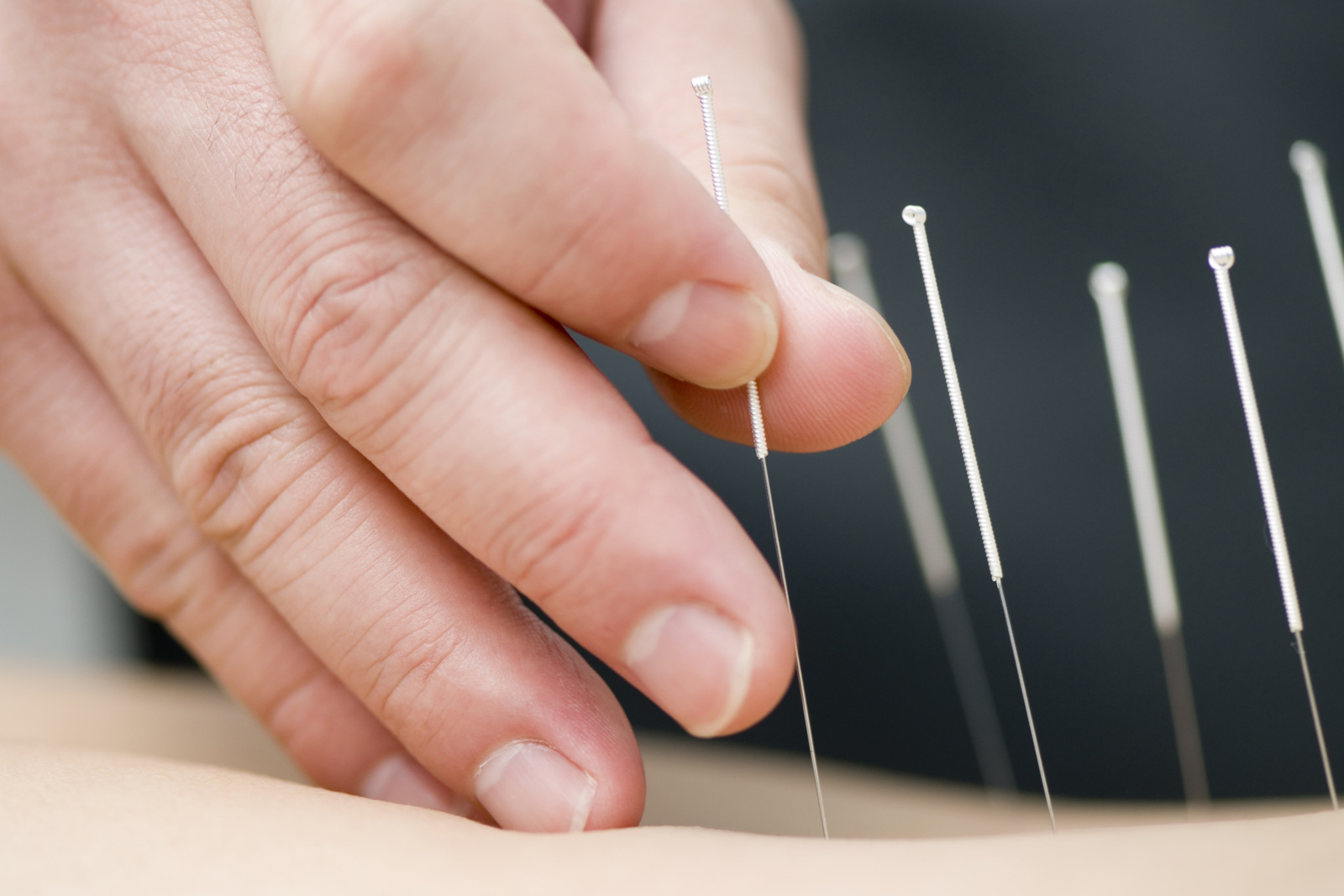
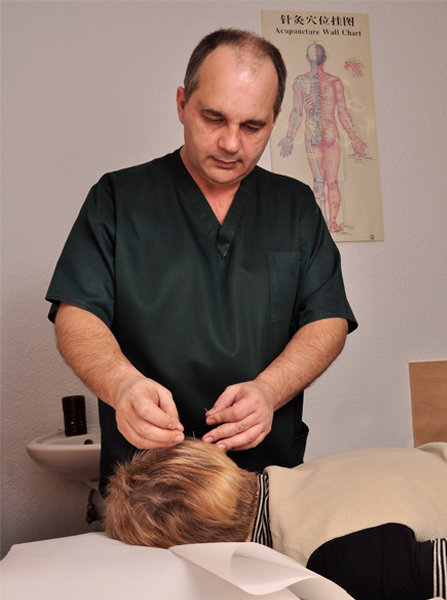
Under this context, the patient must follow a complex treatment in order to cure depression. Acupuncture and herb products strengthen the human psychic and provide him with the necessary resources for the healing process. There will be treated the affections caused by depression or the ones that caused the depression. The dialogue between doctor and patient will also include stages of psychological conflicts settlement, the patient being guided to accept the events that occurred, without approving them morally or affective. The patient will also have to accept that the past cannot be changed. The existing conflicts will be surpassed when the patient assimilates these concepts in his thinking and his behavior.


depression, depression signs, depression symptomps, depression causes, depression cure, depression treatments, depression healing, healing depression, cope with depression, post-partum depression, for depression, about depression, depression cure, depression medication, medication for depression, depression acupuncture, acupuncture for depression

Contact

+4021 619 11 17

+40745 430 351

+40723 629 675

doctor@pirasan.ro

News

Sometimes Mad People Tell Mad Stories

In its first structure, the planet had only one continent surrounded by waters. This land had all the necessary flora and fauna to sustain the human being, not without working, though; they even had to make a huge effort. As people were evolved, it is obvious that the planet developed homogeneously and progressively.

Treatment of Disorders in Traditional Medicine: AGEING I

In the age-stopping procedures, an important element is that which the physician decides to use in the activity area of the EDTA molecule in order to extract every heavy metal in excess or other metals that are not found in the natural composition of the human body (but are nevertheless present).

Treatment of Disorders in Traditional Medicine: AGEING II

The human body’s health starts from the areas of the stomach, of the small and of the large intestines. Their cleanliness is essential for the balance of the body.

Treatment of Disorders in Traditional Medicine: AGEING III

Stress is one of the main factors that trigger and feed the functional disorders of the human system and the ageing processes. It is a proven fact that factors of extreme stress cause untimely death. For his own health and comfort, each man must make effort to avoid stress and to discover the joy of living.

TRADITIONAL MEDICINE – APPROACH AND PRACTICE

Each human being must understand and realize that health is the harmony between contraries. The person must also know that he cannot dissociate his disease from his spiritual and emotional state. Those who treat the somatic condition alone are definitely wrong. Where the person is psychosomatically balanced, no disease will occur, because there is no breach in his defense.

BIOENERGY, ENERGETIC MERIDIANS AND AURA IN TRADITIONAL MEDICINE

The fundamental idea of the traditional medicine practiced by these two civilizations is that bioenergy, the energy of life, runs through the meridians. Along the meridians there are also biocenters. The inner energy fuses with the external one (at the level of the charkas), and the human body is completely balanced.

Partner websites

www.salvare.ro

www.dependenta.ro

consultanta psihologica medicala mobila

link sanatate

 
© 2006-2011 Pirasan Foundation