In its first structure, the planet had only one continent surrounded by waters. This land had all the necessary flora and fauna to sustain the human being, not without working, though; they even had to make a huge effort. As people were evolved, it is obvious that the planet developed homogeneously and progressively.
In the age-stopping procedures, an important element is that which the physician decides to use in the activity area of the EDTA molecule in order to extract every heavy metal in excess or other metals that are not found in the natural composition of the human body (but are nevertheless present).
The human body’s health starts from the areas of the stomach, of the small and of the large intestines. Their cleanliness is essential for the balance of the body.
Stress is one of the main factors that trigger and feed the functional disorders of the human system and the ageing processes. It is a proven fact that factors of extreme stress cause untimely death. For his own health and comfort, each man must make effort to avoid stress and to discover the joy of living.
Each human being must understand and realize that health is the harmony between contraries. The person must also know that he cannot dissociate his disease from his spiritual and emotional state. Those who treat the somatic condition alone are definitely wrong. Where the person is psychosomatically balanced, no disease will occur, because there is no breach in his defense.
The fundamental idea of the traditional medicine practiced by these two civilizations is that bioenergy, the energy of life, runs through the meridians. Along the meridians there are also biocenters. The inner energy fuses with the external one (at the level of the charkas), and the human body is completely balanced.
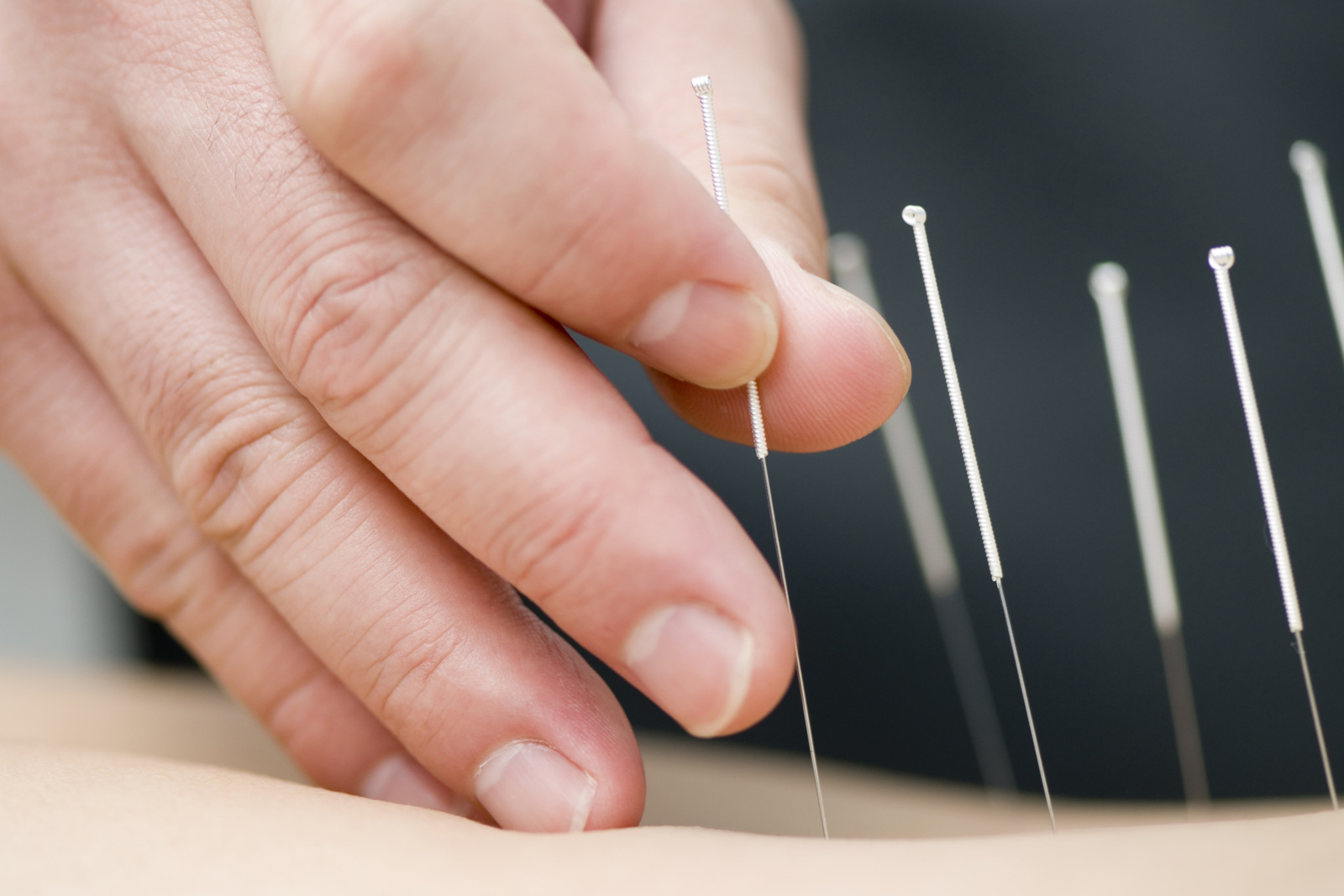
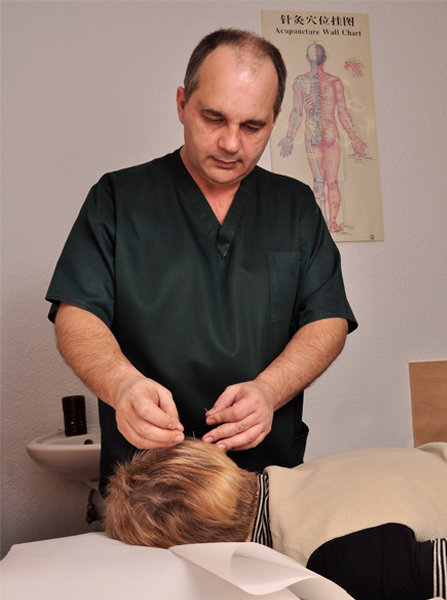
Acupuncture and phytotherapy are successfully used in the treatment of hepatic cirrhosis. The association of these two therapies regulates and accelerates the hepatocelullar regeneration processes; it biases the reabsorption of the regenerative nodules and it clears the hepatic ways of blood circulation. Consequently, it also regulates the blood circulation and the energy flow in the meridians.
The liver performs over 500 functions in the body, each of which is vital for a perfect health: it stores the energy and – in association with the pancreas – it coordinates the distribution of blood and energy in the body; it filters blood toxins and residues; it secretes bile and it is involved in the digestive processes; it stores a number of vitamins, such as A, D, E, K and the B vitamins; it produces cholesterol, fibrinogen and prothrombin (it helps with cicatrisation and healing of wounds); it is involved in the thermoregulation processes; it maintains the glucidic balance and it is involved in the coordination of the water metabolism. Therefore, hepatic cirrhosis involves a number of major metabolic disorders that may trigger associated diseases in other organs.
Hepatic cirrhosis is a disease of the liver where the hepatic cells are destroyed and replaced by fibrous scar tissue. The degenerative process will cause the alteration in shape and structure of the liver, which will decreas in size, changing its shape and hardening. The sclerosis and fibrosis impair the hepatic blood circulation and the proper development of the hepatic functions. As the hepatic regeneration processes are affected as well, the hepatic cells will have an abnormal behavior, forming into regenerative nodules.
Hepatic cirrhosis is a disease with a high mortality risk; untreated or inappropriately treated, it will disease other organs as well, generating associated disorders, such as:
portal hypertension (blood hypertension in the vein collecting the blood from the digestive organs and carrying it to the liver; it poses risk of developing portal encephalopathy, gastroesophageal varices and splenomegaly)
ascites (accumulation of fluid in the intra-abdominal area; it poses risk of acute bacterial peritonitis)
jaundice (yellowing of skin and mucous tissues; it betrays an advanced stage of hepatic cirrhosis)
edemas (limbs swelling, as a result of fluid accumulation in the tissues)
hepatorenal and hepatopulmonary syndromes (they occur in the severe cases of cirrhosis)
coagulopathies (liver is one of the organs responsible for the perfusion with blood of the other organs. Therefore, the major hepatic deterioration and the hepatocellular necrosis will trigger cellular coagulation and humoral anomalies, generating a number of severe complications)
infections (patients with hepatic cirrhosis are prone to tuberculosis, infections of the fluid accumulated in the intra-abdominal area in case of ascites, airways or renal infections)
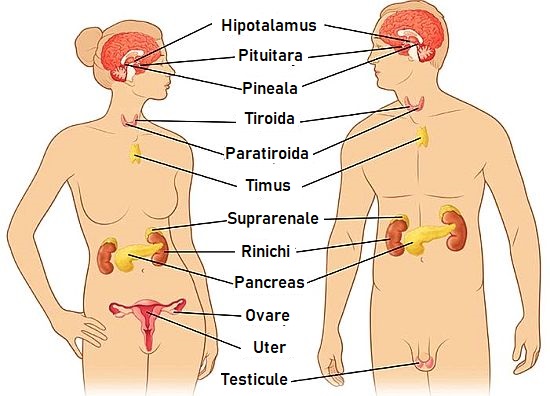
endocrine disorders (in men, there is gynecomastia, erection disorders and impotence; infertility may occur in both sexes; in women, menstruation disorders occur as well)
The disease occurs where there is a chronic inflammation caused by infections with hepatic viruses (B, C and D hepatic viruses) or other infectious agents, autoimmune hepatitis, drug-induced hepatitis, toxic hepatitis, alcohol abuse, fat liver, exposure to toxic substances or administration of drugs for long periods of time, hereditary diseases (Wilson disease) and billiary cirrhosis.
Treatment
Treatment of hepatic cirrhosis involves regulation of the hepatocellular regeneration function, so that the new cells should be distributed in the necessary areas and not in nodular formations. At the same time, the regeneration rate is increased by stimulating the pulmonary, hepatic, renal and bone marrow activity. At cerebral level, we act upon the projection area of the liver in order that the hepatic functions should be performed as closely to the normal parameters as possible, until the regenerative nodules are reabsorbed and the hepatic vascularisation ways are cleared. The medicinal herbs used in the treatment protocols help the body eliminate the toxins and the cell residues that were accumulated in the blood when the liver could not perform its blood filtering function properly.
Hepatic cirrhosis, hepatic cirrhosis symptoms, symptoms of hepatic cirrhosis, uncompensated hepatic cirrhosis, hepatic cirrhosis treatment, treatment of hepatic cirrhosis, hepatic cirrhosis with ascitic fluid, ascites, toxic hepatic cirrhosis, hepatic cirrhosis traditional treatment, traditional treatment of hepatic cirrhosis, compensated hepatic cirrhosis, of hepatic cirrhosis, for hepatic cirrhosis, about hepatic cirrhosis, hepatic cirrhosis causes, causes of hepatic cirrhosis