Codrut Tutu MD Treated affections treated patients natural products Recommended literature Contact

AGING STOPPING PROCESS

Skin Rejuvenation, Tissue Invigoration and Complete Removal of Wrinkles

Flu Prevention by Fire, Acupuncture and Herbs

Endometrial Cancer

Multiple Sclerosis

Pulmonary Cancer

Cervical Cancer

Cerebellar Syndrome

Neurosis

Thyroid Cancer

Medullary Leasions

Acupuncture benefits during pregnancy

Neuralgia

Arterial Hypertension

Scoliosis

Scleroderma

Meniere Disease

Rheumatoid Arthrtitis

Hepatic Cirrhosis

Glomerulonephritis

Prostate Adenoma

Ankylosing Spondylitis

Lumbar Discopathy

Polycystic ovarian syndrome

Anemia

Chronic Pancreatitis

Cervical Spondilosis

Biliary Dyskinesia

Cardiomyopathy

Hepatitis

Depression

Thrombophlebitis

Psoriazis

Uterine Fibroma

Cerebral Atrophy

Why do Chronic Affections Appear?

Curing the Peptic Ulcer

Healing Cancer by Traditional Medicine Therapies

Acupuncture - Prevention and Treatment Method

Osteoporosis

Leukemia

Vitiligo is healed by acupuncture and apiphytotherapy

Bronchial Asthma

Diabetes

Cerebrovascular Accident  (Stroke)

Insomnia

Infertility

Obesity

Endometriosis

Face Lifting by Acupuncture and Apiphytotherapy

Panic Attacks

Acupuncture and Apiphytotherapy - Remedies for Breast Tumors

Treatment of Pituitary Adenoma by Traditional Medicine Therapies

acupunctura romana acupunctura engleza

Polycystic Ovarian Syndrome (POS)

Polycystic ovarian syndrome defines a female endocrine disorder manifested by irregular menstruation or amenorrhea (abnormal suppression or absence of menstruation), abnormal vaginal bleeding, sterility, hirsutism (excessive and increased hair growth), baldness, acne, fat complexion, cutaneous pigmentation, obesity, metabolic disorders (especially resistant to insulin and diabetes) and cardio-vascular complications (of which the most frequent is hypertension). The woman’s body undergoes a process of virilization. The state of mind is characterized by anxiety, restlessness and depression, oscillating emotional states, etc.

Polycystic ovarian syndrome is caused by the improper function of the hypothalamus and the pituitary gland, a disorder that will also affect the activity of the other endocrine organs: the thyroid, the adrenals and the ovaries. The ovarian function and structure are the most affected. The polycystic ovary is larger than the healthy one. A lot of micro cysts (follicles with immature ovules that were not discharged in a menstrual cycle) cover its surface. The polycystic ovary has a fibrous structure and reduced elasticity.

Other causes of the polycystic ovarian syndrome include anomalies of ovarian, renal, pituitary or hypothalamic vascularization. The vascularization anomalies are genetically inherited or they occur during the intrauterine life. Pathological alterations in the ovary may also occur during childhood or in the adult life because of a poor hygiene, frequent colds and contamination with certain bacteria and viruses, etc.

Diagnosis of the Polycystic Ovarian Syndrome

The diagnosis of polycystic ovarian syndrome is ascertained based on the patient’s medical history, on the accused symptoms as well as on certain analyses and medical investigations measuring the hormonal activity, the condition and the functions of the genital system and of the endocrine system:

  • the level of FSH (follicle-stimulating hormone secreted by the pituitary gland; the deficiencies of FSH account for the obstruction of the processes of follicle maturation and ovule secretion) 
  • the prolactine level (a hormone secreted by the pituitary gland, stimulating lactation in pregnant women)
  • the level of male hormones (testosterone)
  • the level of feminine hormones (progesterone, estrogen)
  • the level of LH (luteinizing hormone, a gonadotropic hormone that is secreted by the anterior pituitary gland; stimulates the gonads – ovaries and testicles)
  • abdominal echography with visualisation of the genital apparatus
  • intravaginal echography
  • laparoscopy
  • biopsy of the ovarian tissue
  • urine analysis
  • abdominal MRI with visualisation of the genital apparatus

Treatment of the Polycystic Ovarian Syndrome

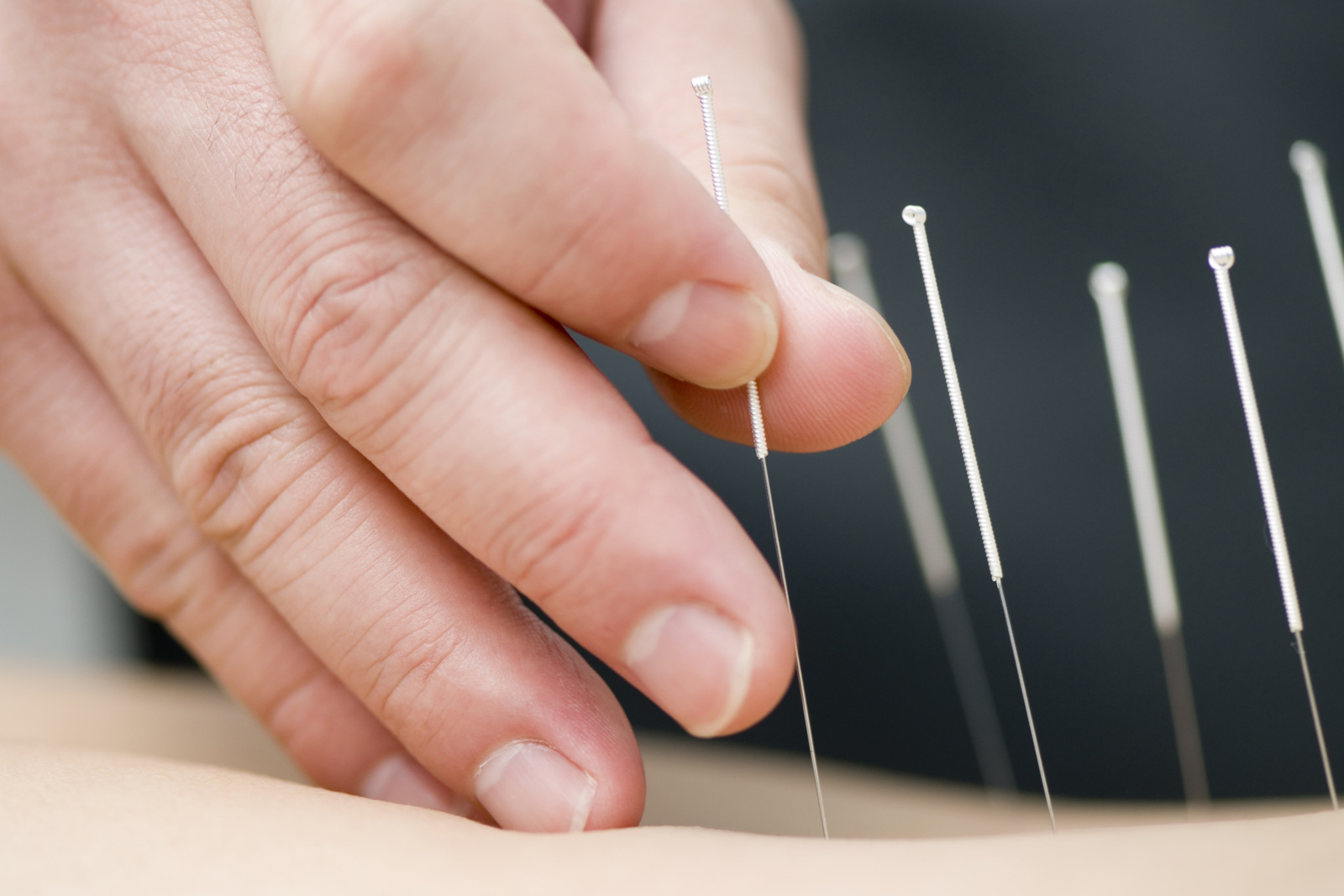
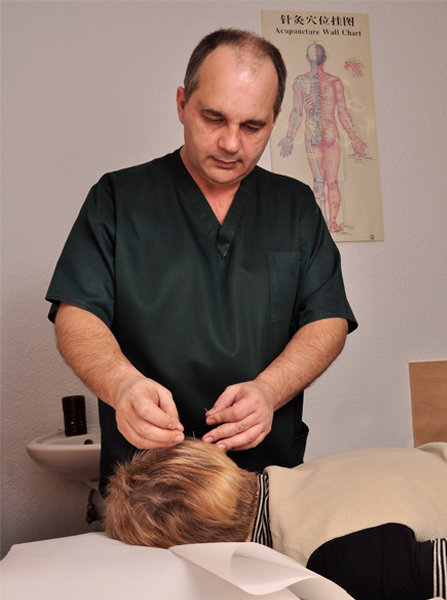
In order to reabsorb the micro-cystic formations, the pituitary gland and the hypothalamic functions need to be restored. As soon as the hormonal secretions are normalized, the ovaries will receive the optimum hormone level to resume their activity.  The acupuncture needles are inserted in the area of the head but also in the area of the adrenals and of the ovaries in order to speed up the process of cyst reabsorbtion. The herb products included in the treatment protocol contribute especially to the process of restoring the pituitary and hypothalamic functions, but also to prepare the ovaries to appropriately receive the hormones secreted by the two glands.


Polycystic Ovarian Syndrome, Polycystic Ovary syndrome, polycistic ovary, polycystic ovary syndrome pcos, polycystic ovaries, polycystic ovaries syndrome, polycystic ovarian syndrome information, symptoms of polycystic ovarian syndrome, polycystic ovarian syndrome pregnancy, polycystic ovarian syndrome natural, treatment of polycystic ovarian syndrome, cyst, cysts, cystic, polycystic, ovarian, hormone, pituitary, ovarian syndrom, polycystic ovary, ovaries, follicule, hormones, genital

News

Stem Cells Tissues And ORganic Regeneration In traditional Medicine

The latest discoveries of stem therapy confirm the possibility of harvesting stem cells for the regeneration of the sick organs directly from adipose tissue. This procedure is an usual practice in traditional clinical practice; it also proves that the human body is endowed with it's own healing mechanisms. Tibetan traditional medicine explains these self-healing mechanisms by a system of energy meridians. The activity these is coordinated by the primordial energy located in the brain.


Partner websites

www.salvare.ro

www.dependenta.ro

consultanta psihologica medicala mobila

link sanatate

© 2006-2009 Pirasan Foundation