Centrul de medicina traditionala Pirasan are o traditie de peste 20 ani in medicina traditionala, acupunctura si fitoterapie
Centrul de medicina traditionala Pirasan practica medicina prin medici pregatiti in facultatile medicinei alopate dar si specializati in strainatate in medicina traditionala. Clinica noastra de medicina traditionala, Pirasan, imbina tot ce inseamna medicina traditionala si anume : medicina balcanica, egipteana, indiana, mayasa, scandinava, rusa, tibetana.
Clinica de medicina traditionala Pirasan incearca sa trateze cu succes cand altii renunta. Noi tratam cauza si nu numai efectele.Tratamentele noastre sunt pregatite dupa retete vechi de peste 12000 de ani si care sunt omologate la OSIM.
Medicina traditionala sta la baza medicinii alopate, adica medicina moderna, care are aproximativ 200 de ani existenta. Tratam cu respect colegii nostri din medicina alopata, dovada in acest sens este si faptul ca din 3 in 3 luni noi trimitem la control la colegii nostri pe pacientii pe care ii tratam. Procedurile noastre de tratament sunt in functie de rezultatele obtinute in timp prin analize facute la diferite perioade. In conditiile in care la noi vin foarte multi pacienti bolnavi de cancer, ii trimitem la analize o data pe luna, ca sa avem evidenta foarte severa a evolutiei, stoparii sau regresiei afectiunii.
Este foarte hazardat sa afirmam cine este mai bun, medicina traditionala, sau medicina moderna/alopata. Noi nu vrem sa intram in polemici cu colegii nostri, pentru ca totusi am terminat acelasi tip de medicina. Daca ne-am specializat pe medicina traditionala, este pentru ca ni s-a parut a fi cea mai buna metoda in a trata pacientii. Fiecare medic este liber sa isi aleaga specializarea in plus. Medicina traditionala este cea care poate avea rezultatele dorite de orice pacient. Noi suntem practicanti. Sunt foarte multi pacienti care au venit la noi in stare extrem de grava, ori acum sunt langa familiile lor, bucurandu-se de sanatatea pe care noi le-am redat-o. Este bine, este rau? Nu noi putem afirma asta, ci pacientii nostri. Lor li se pare ca este bine. Noi suntem multumiti atunci cand un pacient vine bolnav in Clinica Pirasan si pleaca sanatos . Aceasta este politica noastra.
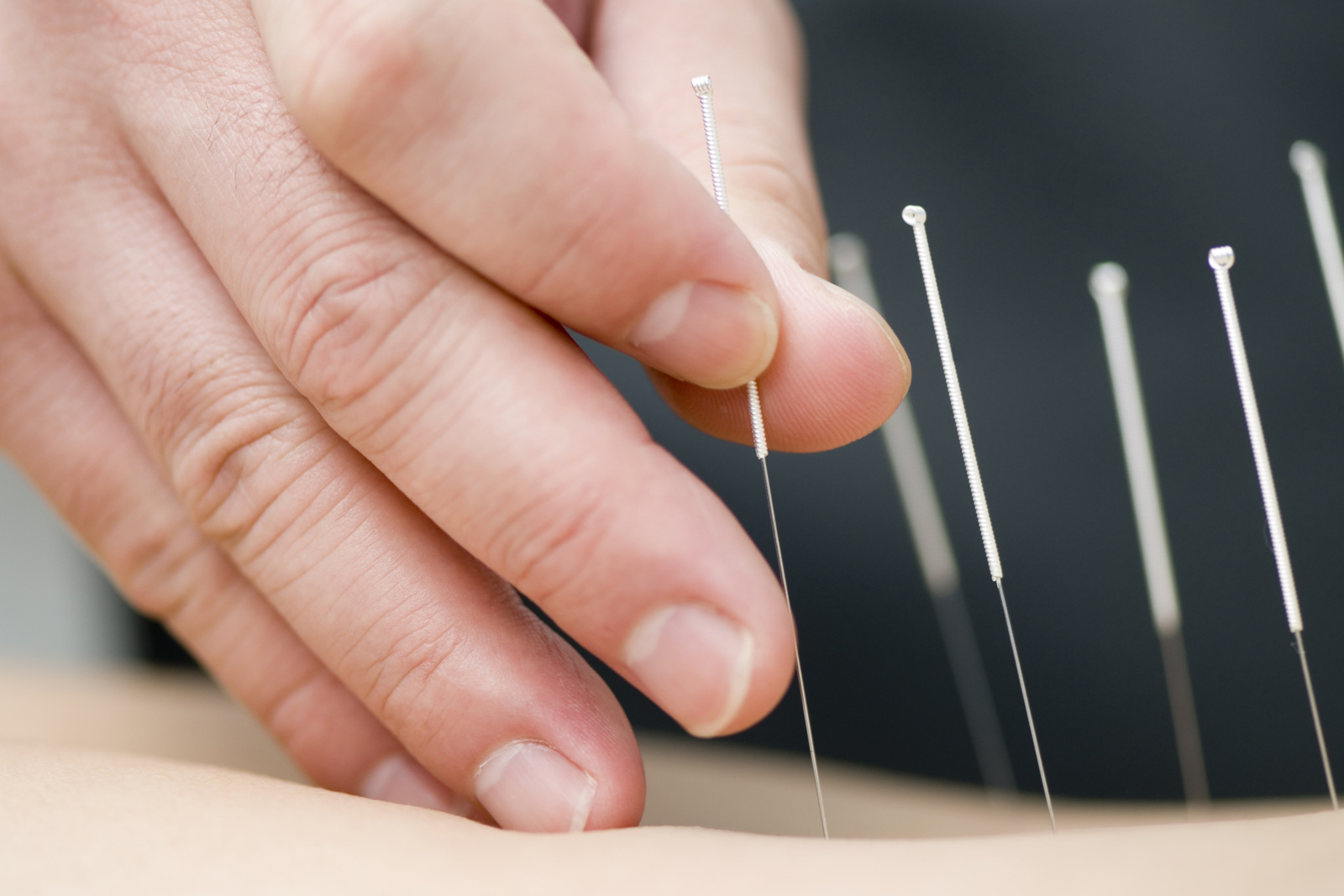
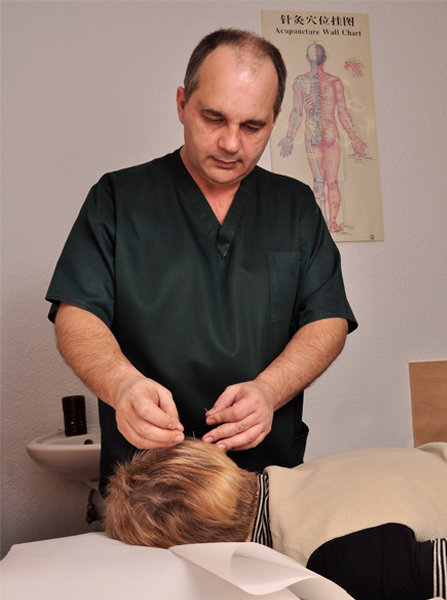
Am putea sa scriem foarte mult. Dar nu vedem rostul a scrie mult si a nu face nimic. Mai bine sa tratezi fara sa te lauzi, si nu sa te lauzi fara sa tratezi. Oricine are nevoie de tratament si ingrijire cu maxima seriozitate, poate vizita clinica noastra si sa se convinga de ce putem si de cum abordam problema. Medicina traditionala este foarte vasta. Indiferent ce am scrie noi in plus, nu ajuta cu nimic. La noi este foarte simplu: afectiunea, diagnosticarea, tratamentul. Aceasta este politica noastra. Nu ghicim in boabe si nici in cafea. Practicam medicina traditionala, acupunctura si fitoterapie. Acestia suntem noi.
Profesor Doctor Mavrino
maestru medicina traditionala