In its first structure, the planet had only one continent surrounded by waters. This land had all the necessary flora and fauna to sustain the human being, not without working, though; they even had to make a huge effort. As people were evolved, it is obvious that the planet developed homogeneously and progressively.
In the age-stopping procedures, an important element is that which the physician decides to use in the activity area of the EDTA molecule in order to extract every heavy metal in excess or other metals that are not found in the natural composition of the human body (but are nevertheless present).
The human body’s health starts from the areas of the stomach, of the small and of the large intestines. Their cleanliness is essential for the balance of the body.
Stress is one of the main factors that trigger and feed the functional disorders of the human system and the ageing processes. It is a proven fact that factors of extreme stress cause untimely death. For his own health and comfort, each man must make effort to avoid stress and to discover the joy of living.
Each human being must understand and realize that health is the harmony between contraries. The person must also know that he cannot dissociate his disease from his spiritual and emotional state. Those who treat the somatic condition alone are definitely wrong. Where the person is psychosomatically balanced, no disease will occur, because there is no breach in his defense.
The fundamental idea of the traditional medicine practiced by these two civilizations is that bioenergy, the energy of life, runs through the meridians. Along the meridians there are also biocenters. The inner energy fuses with the external one (at the level of the charkas), and the human body is completely balanced.
From all major types of cancer lung cancer is the most frequent one and it has the biggest mortality rate, mostly because is very aggressive and invasive. In men lung cancer is the first cause of death and in women the second one, after breast cancer. In some countries, lung cancer has become the first factor of mortality for women too.
Lung cancer cells spread very easily in other parts of the body, a process called metastasis. Mainly because the lungs are heavily vascularized by lymphatic and blood vessels. By these vessels cancer cells travel in near-by organs even in early stages. Although it can disseminate in any parts of the human body, lung cancer metastasis are usually located in neighboring lymphatic nodes, adrenal glands (suprarenal glands), liver, brain and bones.
There are two main forms of lung cancer:
Lung cancer with small cells: the most aggressive form of lung cancer; it spreads to the neighboring organs very fast.
Lung cancer with non-small cells: the most frequent form of lung cancer. It comprises three subcategories: adenocarcinomas, squamous cell carcinomas (or epidermoid carcinomas) and large cell carcinomas (or undifferentiated carcinomas).
Symptoms
Pulmonary cancer symptoms may be mistaken for those of a less severe pulmonary disease. In general symptoms that suggest the presence of a tumor in the lungs assert in advanced stages, when the risk of metastasis is very high also. The symptoms include:
heavily coughing with blood-colored phlegm
shortness of breath
in more severe stages hemoptysis (coughing up blood)
thoracic discomfort and sudden stabs in the pulmonary area
hoarseness
dyspnea
hissing breath (caused by the contraction of the upper airways)
frequent infections, caused by a decreased pulmonary immunity
alterations in the color of the skin
loss of weight
fatigability
Causes
Malignant tumors occur when there is a disorder in the cell’s reproduction process, disorder caused by an alteration of the cellular DNA. Hence it follows a division and a chaotic proliferation of cells from the affected tissue and the tumor formation in the respective tissue.
Alterations of the cellular DNA in lungs may be caused by a number of factors, such as:
Thyroid disorders associated with pulmonary diseases (the thyroid controls the upper furnace, respectively the activity of the heart, of the lungs and of the thymus).
A very toxic work environment or prolonged exposure to toxic substances, chemical volatile substances or particles of dust, coal or asbestos, etc.
Frequent Lung Diseases Inappropriately Treated
A continuous state of sadness and discontent (it inhibits the pulmonary function, causing a poor oxygenation of certain areas of the lungs: the dead cells will no longer be eliminated because of the obstruction of the elimination ways; their accumulation leads to the DNA alteration in time)
Smoking
Treatment
The treatment of lung cancer aims at arresting the proliferation of the malignant cells in the first place. By stimulating the functions of the thyroid and of the thymus, the immune activity will be improved and the number of antibodies released into the body will be increased. These antibodies will remove both the malignant cells located at the point of origin of the disease and the metastases in the body.
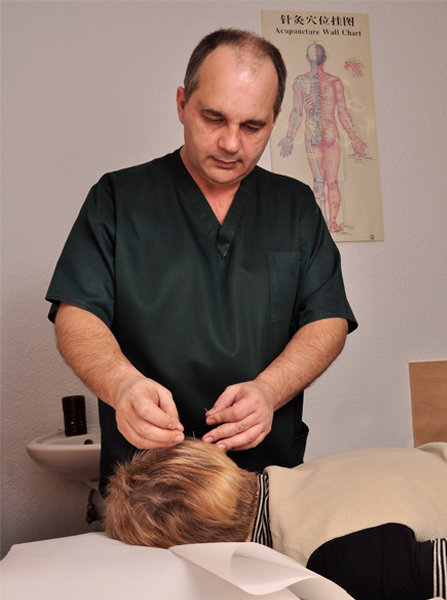
By using special acupuncture techniques, the affected lung area is deeply oxygenated and the local metabolism is stimulated. These procedures are necessary for the elimination of the toxins and of the dead cells in the lung area affected by cancer. The resorbtion of the cancer area is accompanied by the regeneration of the tissue by production of healthy cells. If the tumor is very aggressive and it does not allow a complete resorbtion, it will be isolated and calcified. In this case the patient should undergo a support treatment after the end of the treatment. Its duration varies according to the patient’s body.
The results of the treatment depend on the stage of the disease at the moment of the treatment start, on the general condition of the body and on the condition of each organ in particular.
lung cancer, lung cancer treatment, lung cancer causes, lung cancer symptomps, lung cancer metastases, lung cancer treatments, lung cancer natural treatment, lung cancer therapies, lung cancer therapy, lung cancer cure, cure for lung cancer, healing lung cancer, about lung cancer, pulmonary cancer, pulmonary cancer treatments, pulmonary cancer treatments, pulmonary cancer causes