Codrut Tutu MD Treated affections treated patients natural products Recommended literature Contact

AGING STOPPING PROCESS

Skin Rejuvenation, Tissue Invigoration and Complete Removal of Wrinkles

Flu Prevention by Fire, Acupuncture and Herbs

Endometrial Cancer

Multiple Sclerosis

Pulmonary Cancer

Cervical Cancer

Cerebellar Syndrome

Neurosis

Thyroid Cancer

Medullary Leasions

Acupuncture benefits during pregnancy

Neuralgia

Arterial Hypertension

Scoliosis

Scleroderma

Meniere Disease

Rheumatoid Arthrtitis

Hepatic Cirrhosis

Glomerulonephritis

Prostate Adenoma

Ankylosing Spondylitis

Lumbar Discopathy

Polycystic ovarian syndrome

Anemia

Chronic Pancreatitis

Cervical Spondilosis

Biliary Dyskinesia

Cardiomyopathy

Hepatitis

Depression

Thrombophlebitis

Psoriazis

Uterine Fibroma

Cerebral Atrophy

Why do Chronic Affections Appear?

Curing the Peptic Ulcer

Healing Cancer by Traditional Medicine Therapies

Acupuncture - Prevention and Treatment Method

Osteoporosis

Leukemia

Vitiligo is healed by acupuncture and apiphytotherapy

Bronchial Asthma

Diabetes

Cerebrovascular Accident  (Stroke)

Insomnia

Infertility

Obesity

Endometriosis

Face Lifting by Acupuncture and Apiphytotherapy

Panic Attacks

Acupuncture and Apiphytotherapy - Remedies for Breast Tumors

Treatment of Pituitary Adenoma by Traditional Medicine Therapies

acupunctura romana acupunctura engleza

Cerebrovascular Accident (Stroke)

The cerebrovascular accident is an acute neurological disorder caused by deprivation of blood flow to an area of the brain or by brain hemorrhage. The cerebrovascular accident is the second cause of mortality worldwide. According to the latest statistics released by the World Health Organization, the cerebrovascular accident will become the main cause of mortality by the year of 2030.

Two types of cerebrovascular accidents have been defined:

  • Ischemic stroke – when a blood vessel irrigating the brain is obstructed; thus the oxygen supply to the nerve cells in the affected cerebral area is cut off.
  • Hemorrhagic stroke – when a blood vessel breaks, causing cerebral hemorrhage.

The impact a cerebrovascular accident has depends on the factors that have lead to its occurrence as well as on the patient's general health condition. If brain circulation is cut off for longer than a few seconds, the nerve cells will die, thus causing serious lesions in the affected areas. Depending on their location, patient's death, paralysis and speech impairment may occur or the cognitive functions may be affected.

Another type of cerebrovascular accident is the transitory ischemic stroke. It occurs when blood irrigation is temporarily cut off in a certain area of the brain. No permanent lesions are caused in this case. The symptoms are similar to a cerebrovascular accident, yet weaker as intensity. In addition, they may vanish within a few minutes or hours.

Causes of the Cerebrovascular Accidents

Any vascular accident is the result of major imbalances in the body. However, certain factors increase the occurrence risk of a cerebrovascular accident:

  • Hypertension
  • Arteriosclerosis - a thickening of arteries due to loss of elasticity, fat deposits, diabetes or hypertension
  • Endocarditis - inflammation of the endocardium due to viral or microbial agents
  • Valvular stenosis - a narrowing of any of the heart valves
  • Cardiac arrhythmia or arterial fibrillation (an abnormal cardiac rate or rhythm)
  • Vasculitis - inflammation of the blood vessels
  • Myocardial infarction
  • Hemophilia - blood coagulation disorders
  • Aneurysm - pathological dilation of the wall of a blood vessel
  • Lesions occurred in the passage areas of blood irrigating vessels
  • Diabetes mellitus
  • Smoking
  • High cholesterol values
  • Obesity
  • Lack of physical exercise
  • Alcohol abuse and drug consumption
  • Old age
  • Stress
  • Positive or negative psychical shocks (extreme and sudden emotional states)

The symptoms are different from a case to another, depending on the type of accident and on the affected area. They may make their presence suddenly or gradually. Yet, generally speaking, the following symptoms appear after the occurrence of a cerebrovascular accident:

  • Very strong headaches
  • Hemiplegia – paralysis of one side of the body (face, arm, leg) or numbness and weakness sensation
  • Loss of control of the urinary bladder and large intestine muscles
  • Incapacity to swallow
  • Bad vision: haziness, blurred vision, double image, spots or complete loss of vision
  • Partial or complete loss of hearing and taste
  • Difficult breathing and irregular heartbeat
  • Lack of balance and difficulty in walking
  • Disorientation and insecurity
  • Fainting

In the case of hemorrhagic stroke, nausea, vomiting, nervousness, petulance, dizziness and convulsions may also occur.

In the case of hemorrhagic stroke, nausea, vomiting, nervousness, petulance, dizziness and convulsions may also occur.

Treatment

Statistics show that a great number of the persons who suffered a transitory ischemic stroke will suffer a cerebrovascular accident. At the same time, most of the people who suffered a cerebrovascular accident will undergo another stroke in the following years.

The next cerebrovascular accident will take place in a cerebral area located near the previous one and it will be followed by others. The occurrence periods vary from person to person, depending on the individual's age, health condition and treatment applied after the occurrence of the first stroke, etc.

From these reasons the treatment used in cerebrovascular accidents must stop their relapse in the first place.

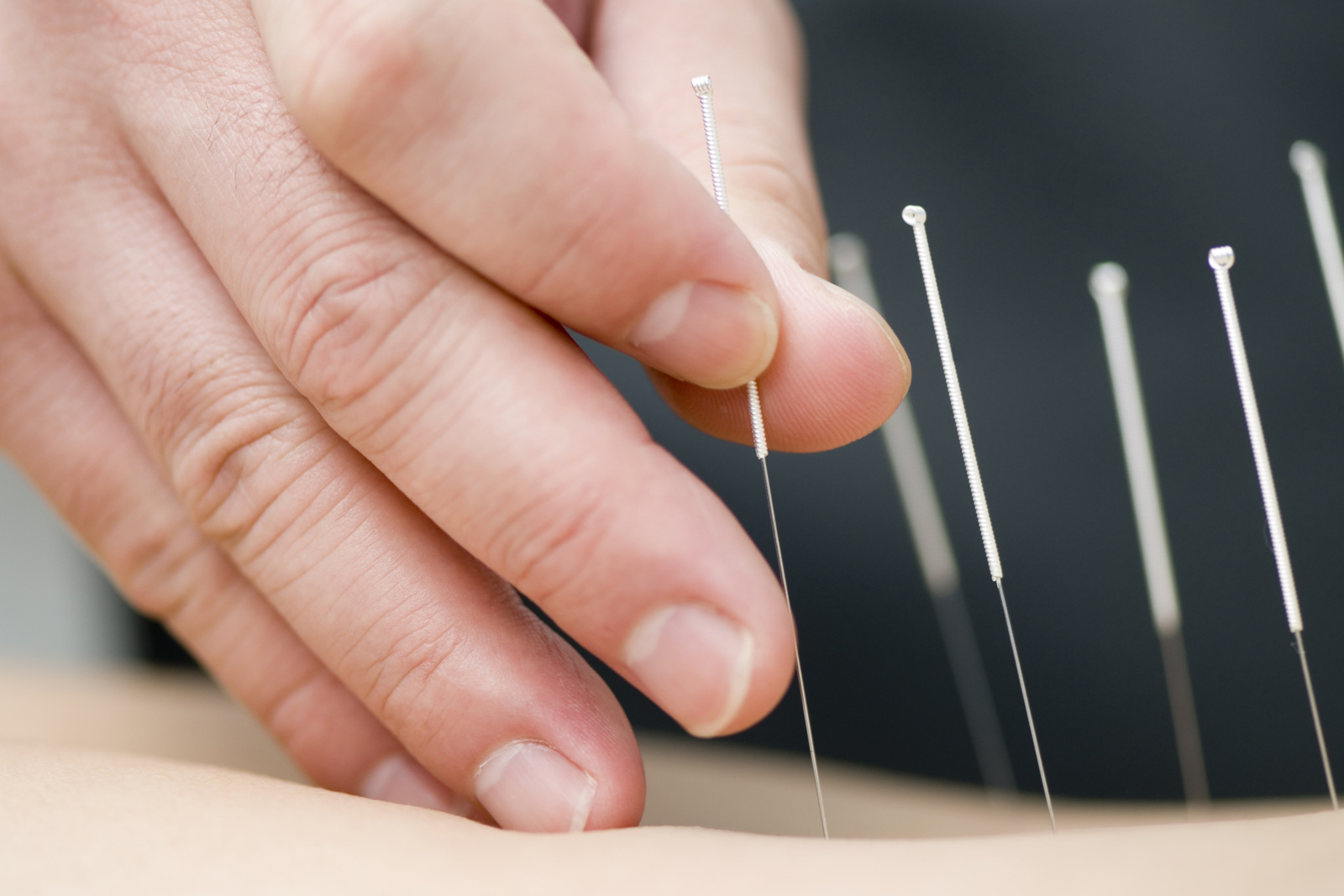
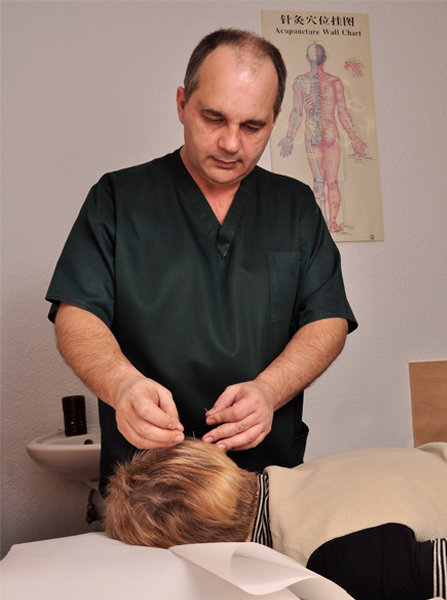
Acupuncture and phytotherapy reduce to elimination the occurrence chances of a new cerebrovascular accident, by balancing the nervous, neuromotor, endocrine and circulatory systems.

Recuperation after a cerebrovascular accident depends on each individual's body and on the effort he makes. In most cases, the patients are left with sequelae, depending on the size and location of the cerebral lesions. The affected areas will become the ground for a new stroke.

By combining acupuncture and phytotherapy, the cerebrovascular accident point of origin is isolated, which leads to arresting the occurrence of relapses. After isolating the affected cerebral area, its functions are taken over by the nerve cells from a healthy area of the brain.

It is a long lasting treatment and it takes patient's complete involvement in the recovery and sequelae healing process. At the stage when the functions are taken over by the healthy brain area, a lot of effort must be made by the patient for the connections between neurons to be established. As a matter of fact, the new areas must be taught what functions they must perform. At the same time, the patient must go over the psychical barriers of the disease: fear of failure, the feeling that they cannot handle the situation, fear of death, etc.

The patient needs his family support and the family members must understand that the behavior changes occurred are due to the illness in the first place. Petulance, nervousness, laziness, depression are psychical effects of a cerebrovascular accident. Both doctor and family will have to show the patient that his struggle for healing is not an impossible one, also encouraging him when he sets himself limits out of laziness or fear.


News

Stem Cells Tissues And ORganic Regeneration In traditional Medicine

The latest discoveries of stem therapy confirm the possibility of harvesting stem cells for the regeneration of the sick organs directly from adipose tissue. This procedure is an usual practice in traditional clinical practice; it also proves that the human body is endowed with it's own healing mechanisms. Tibetan traditional medicine explains these self-healing mechanisms by a system of energy meridians. The activity these is coordinated by the primordial energy located in the brain.


Partner websites

www.salvare.ro

www.dependenta.ro

consultanta psihologica medicala mobila

link sanatate

© 2006-2009 Pirasan Foundation